

Airlink Takes a Smart Turn: Buying Embraer Jets for Spares, Not Seats
-

- January 15, 2026
South Africa’s Airlink has made a move that’s equal parts gutsy and strategic: the airline has bought two Embraer E190 aircraft from Netherlands-based specialist lessor TrueNoord, delivered in December 2025 — but here’s the twist: these jets aren’t heading straight into passenger service. Instead, they’re destined to become part of Airlink’s internal spare parts and engine bank to support its existing fleet.
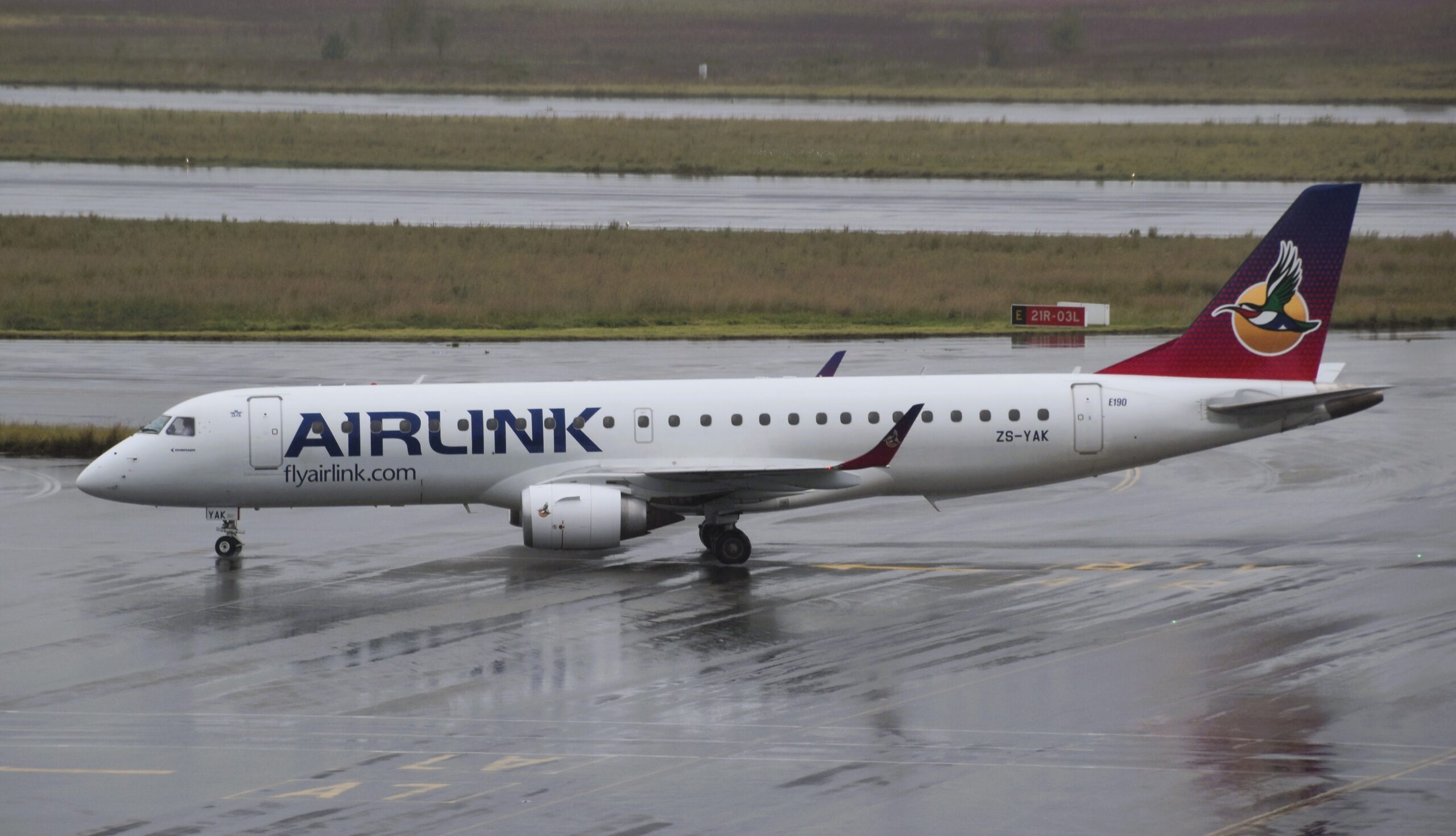
In an industry where supply chain delays are no longer a “sometimes” problem but a permanent feature of the landscape, Airlink’s decision is forward-leaning and practical. With components and engines taking months longer to arrive than in pre-pandemic years, owning the hardware you need — before you need it — is less about hoarding and more about fleet resilience.
Why This Matters
Airlink already runs one of Africa’s largest Embraer fleets, with the E190 forming a core part of its regional operations. From Johannesburg to Cape Town and across the Southern African skies, reliability isn’t just nice to have — it’s mission critical.
By harvesting essential components and retaining the CF34 engines from these two aircraft, Airlink is essentially creating a buffer against unpredictable part shortages and extended maintenance timelines that have grounded aircraft across the continent.
Airlink’s CEO, de Villiers Engelbrecht, put it plainly: this isn’t about adding seats — it’s about protecting operations. The airline is also keeping future options on the table, evaluating whether these planes might one day return to service, but for now the emphasis is on operational continuity.

This Isn’t Just Good Sense — It’s a Wake-Up Call
Here’s my take: we’re watching a subtle shift in how airlines think about risk and resilience.
For years, growth and fleet expansion were the big headlines — new routes, new aircraft, new markets. But today’s aviation world is more volatile than ever: parts shortages, labour bottlenecks, delayed deliveries. Buying two aircraft for parts instead of passengers sounds unconventional, but it’s a smart insurance policy, especially when flying remains a backbone of business and tourism across Africa.
Airlink isn’t just reacting — it’s anticipating failure points and building internal muscle to shrug them off. That’s the kind of strategic thinking that separates carriers who stumble through turbulence from those who thrive through it.
Other airlines in the region — pilots, operators, and strategists — would do well to watch this play. In a world where the unexpected is the only constant, resilience will be as valuable as revenue.
If resilience becomes the new currency in aviation, then Airlink just earned itself a strong balance sheet.