


8 Easy Hacks to Prevent Yellow Stains on White Clothes
-

- July 23, 2026
There’s nothing quite as timeless as a crisp white shirt, a tailored blazer, a delicate lace dress, or a classic linen ensemble. White garments evoke freshness, sophistication, and effortless elegance. Yet, despite careful laundering, many people discover that their favourite white pieces emerge from storage with an unwanted yellow tint.
The good news? Yellowing is often preventable. With the right storage techniques and garment care habits, you can keep your whites looking as brilliant as the day you packed them away.
Why Do White Clothes Turn Yellow?
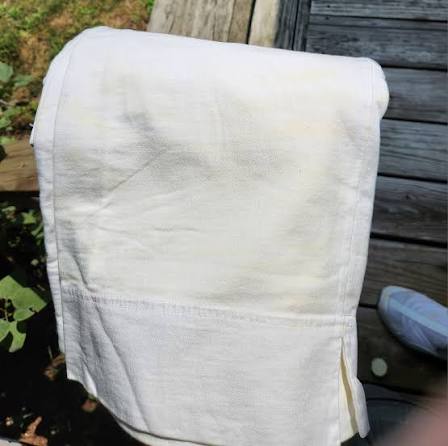
Yellowing isn’t always caused by dirt. More often, it’s the result of oxidation—a natural chemical reaction that occurs when fabrics are exposed to air over time. Residual body oils, traces of detergent, fabric softeners, and even environmental pollutants can accelerate this process. Heat, humidity, and improper storage materials also contribute to discolouration.
Understanding the causes is the first step toward preserving the brightness of your wardrobe.
To ensure your investment whites remain as luminous as the day you bought them, follow these 8 definitive preservation guide tailored for the conscious collector.
How to Prevent Yellow Stains on White Clothes
Wash Thoroughly Before Storing
Never store white clothing that has been worn, even if it appears clean. Invisible traces of perspiration, body oils, perfume, lotion, and deodorant can oxidise over time, leading to stubborn yellow stains.
Wash garments according to their care labels, ensuring all detergent is thoroughly rinsed away before storage. Residue left behind can also contribute to yellowing.
Make Sure Clothes Are Completely Dry

Moisture is one of the biggest enemies of stored clothing. Even slightly damp fabrics can encourage mould, mildew, and fabric discolouration.
Allow garments to air-dry completely before folding or hanging them away. If using a dryer, avoid overheating delicate fabrics, as excessive heat can weaken fibres over time.
Choose Breathable Storage Materials
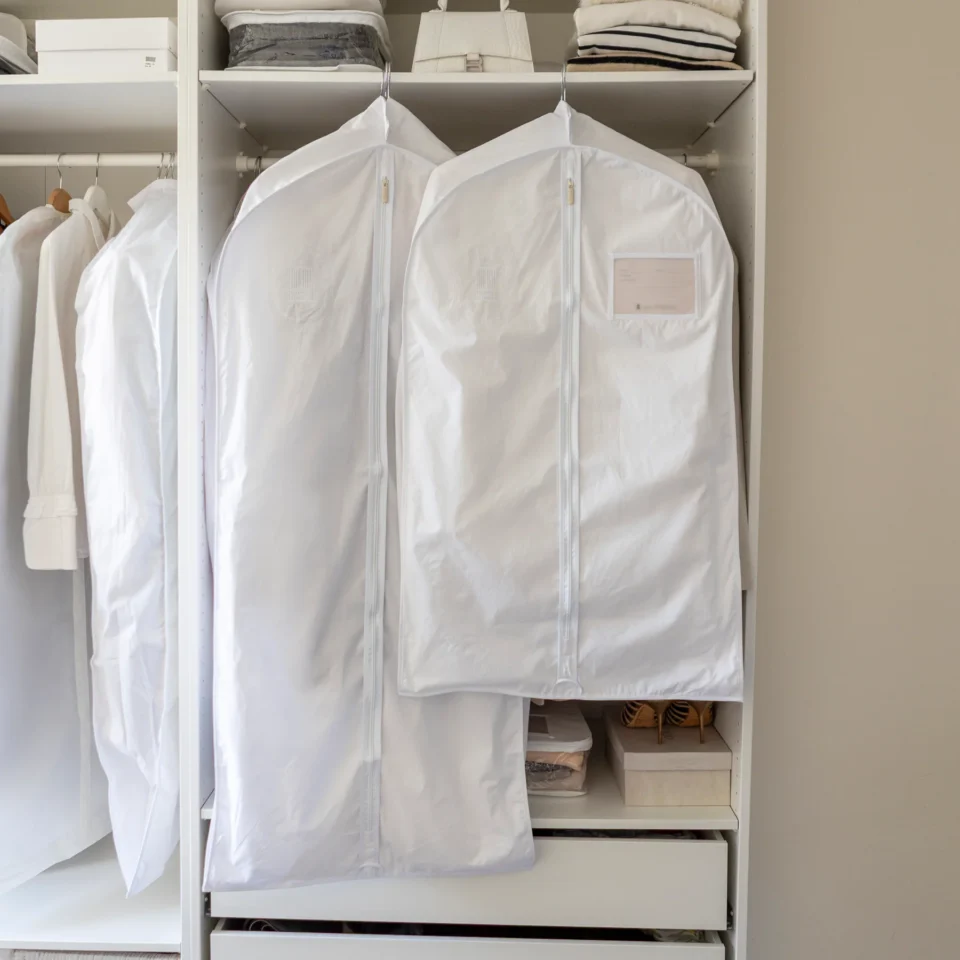
Plastic garment bags and airtight containers may seem like a practical solution, but they can trap moisture and limit airflow. Over time, this creates an environment where fabrics are more likely to yellow.
Instead, store white garments in breathable cotton garment bags or acid-free storage boxes that protect clothing while allowing air circulation.
Store in a Cool, Dark Place
Direct sunlight, excessive heat, and fluctuating temperatures can gradually break down fabric fibres and alter their colour.
Choose a cool, dry wardrobe or storage space away from windows, radiators, or damp basements. Consistent conditions help preserve both the fabric and its brightness.
Avoid Wooden Shelves and Cardboard
Unsealed wood and ordinary cardboard contain acids and natural oils that can transfer onto fabric over time, causing stains and yellow patches. If you must use wooden shelves, line them with acid-free tissue paper or clean cotton fabric before placing your garments on them.
Use Acid-Free Tissue Paper
For delicate dresses, bridal wear, or heirloom pieces, layer acid-free tissue paper between folds. This reduces permanent creases while helping prevent fabric discolouration during long-term storage.
Keep Whites Away From Coloured Garments
Colour transfer isn’t always immediate. Over time, dyes from darker fabrics can migrate, especially in humid conditions. Store white garments separately to preserve their crisp appearance.
Don’t Overcrowd Your Wardrobe

Packed wardrobes restrict airflow and can cause unnecessary creasing and fabric stress.
Give white garments enough space to breathe. Proper spacing also reduces friction between clothes, helping maintain their appearance for longer.
Refresh Stored Clothing Periodically
If you’re storing seasonal pieces for several months, inspect them occasionally. Refold garments to prevent permanent creases and allow fabrics to air out before placing them back into storage.
This simple habit helps identify any early signs of moisture or discolouration before they become permanent.
Treat Yellowing Early
If you notice the first signs of yellowing, don’t ignore them. Treat stains promptly using an oxygen-based fabric whitener or a gentle stain remover designed for white fabrics. You can also whiten fabrics by using the sun’s ultraviolet rays, laundry bluing, baking soda, hydrogen peroxide, or vinegar. The sooner you address discolouration, the easier it is to restore your garment’s original brightness.