

Air Sénégal: When National Pride Meets Commercial Reality
-

- August 31, 2026
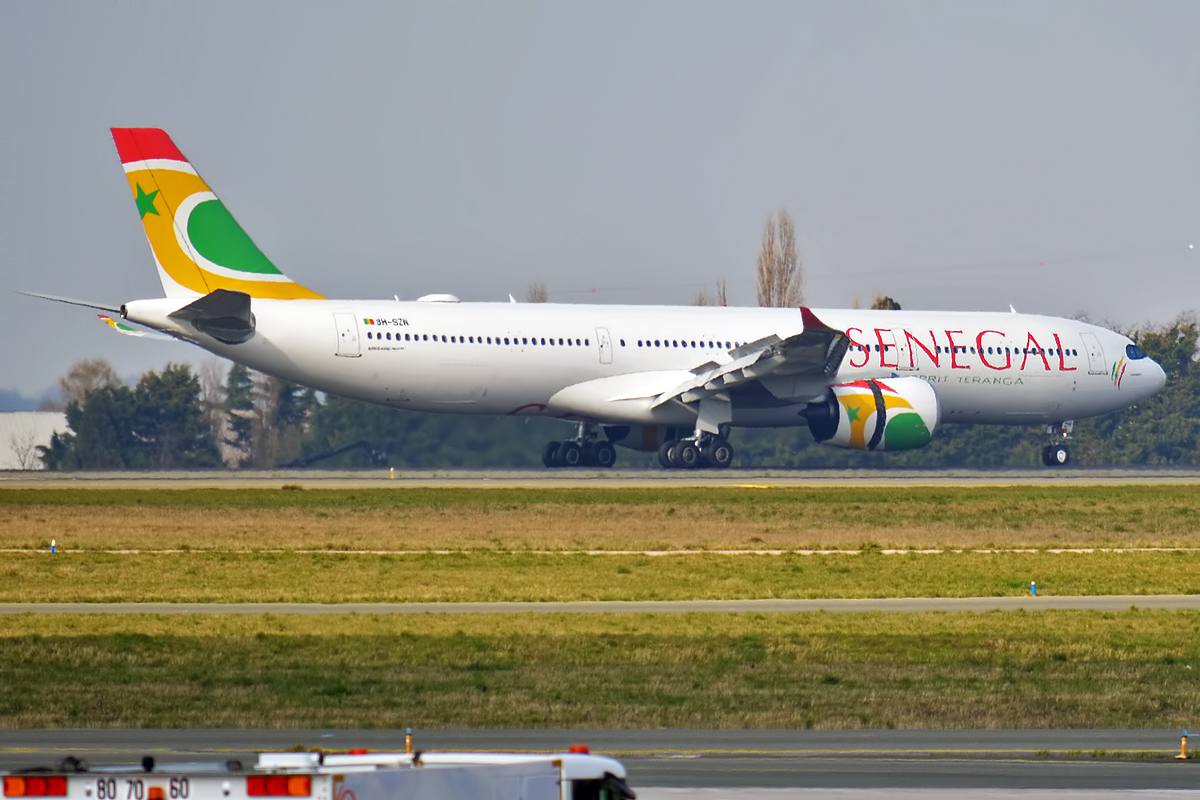
A growing airport dispute is exposing a much bigger question: can Senegal build a national airline that is strategically important without becoming financially unsustainable?
An airline does not necessarily begin to fail when its aircraft stop flying. Sometimes, the warning signs appear much earlier — in unpaid bills, frustrated workers, nervous suppliers and creditors waiting for their money. That is what makes the latest trouble surrounding Air Sénégal worth watching.
Senegalese aviation workers’ union SYNPAAS has threatened industrial action over outstanding obligations involving the national carrier, potentially disrupting ground-handling services and access to airport infrastructure at Blaise Diagne International Airport.
On the surface, it is another dispute over money. Look a little closer, however, and it raises a much bigger question:
What exactly does Senegal want Air Sénégal to be?
The problem didn’t start at the airport. Air Sénégal’s financial difficulties are not new. The airline has spent years under pressure from creditors, lessors and suppliers. In 2025, Dakar airport operator LAS was reported to be seeking approximately €32 million from the carrier in unpaid airport fees and other obligations. That came against a much larger debt burden.
The airline has since been attempting to stabilise its finances, reduce its obligations and reshape its operations. There have also been signs of progress. Most recently, Air Sénégal reached an agreement with aircraft lessor Carlyle Aviation, resolving a major dispute over outstanding lease obligations.
That is encouraging. But settling one major dispute does not necessarily mean the underlying problem has disappeared. And this is where the airport workers’ threat becomes important. Because an airline’s financial health is not measured by whether it can settle one creditor. It is measured by whether it can consistently pay everyone it depends on to keep flying.
National airline or national project? There is nothing wrong with Senegal wanting a strong national airline. Quite the opposite. A competitive carrier can support tourism, trade, employment and regional connectivity. Dakar’s geographical position also gives Senegal a genuine opportunity to become an important gateway into West Africa.
Air Sénégal therefore has strategic value that goes beyond the company’s balance sheet. But strategic value and commercial sustainability are two different things. And aviation is particularly unforgiving when the two collide.
Aircraft do not care about national pride. Neither does jet fuel. Neither do leasing companies. Neither does an airport operator waiting for its fees. And passengers certainly don’t.
Passengers want competitive fares, reliable schedules, good connections and an airline they can trust. That is the uncomfortable reality of aviation. Bigger isn’t always better.
Perhaps one of the most important lessons for Air Sénégal is that becoming smaller is not necessarily a sign of failure. In fact, it can sometimes be the beginning of recovery.
The airline has already been forced to reconsider some of its more ambitious plans, including its long-haul strategy. That may be frustrating for a country that wants its flag carrier flying proudly across the world. But there is little value in an airline flying to impressive destinations if those routes consistently lose money.
A smaller airline that pays its bills, operates reliably and gradually builds passenger confidence may ultimately be far more valuable than a larger airline surviving on financial support. Ambition matters. But disciplined ambition matters more.
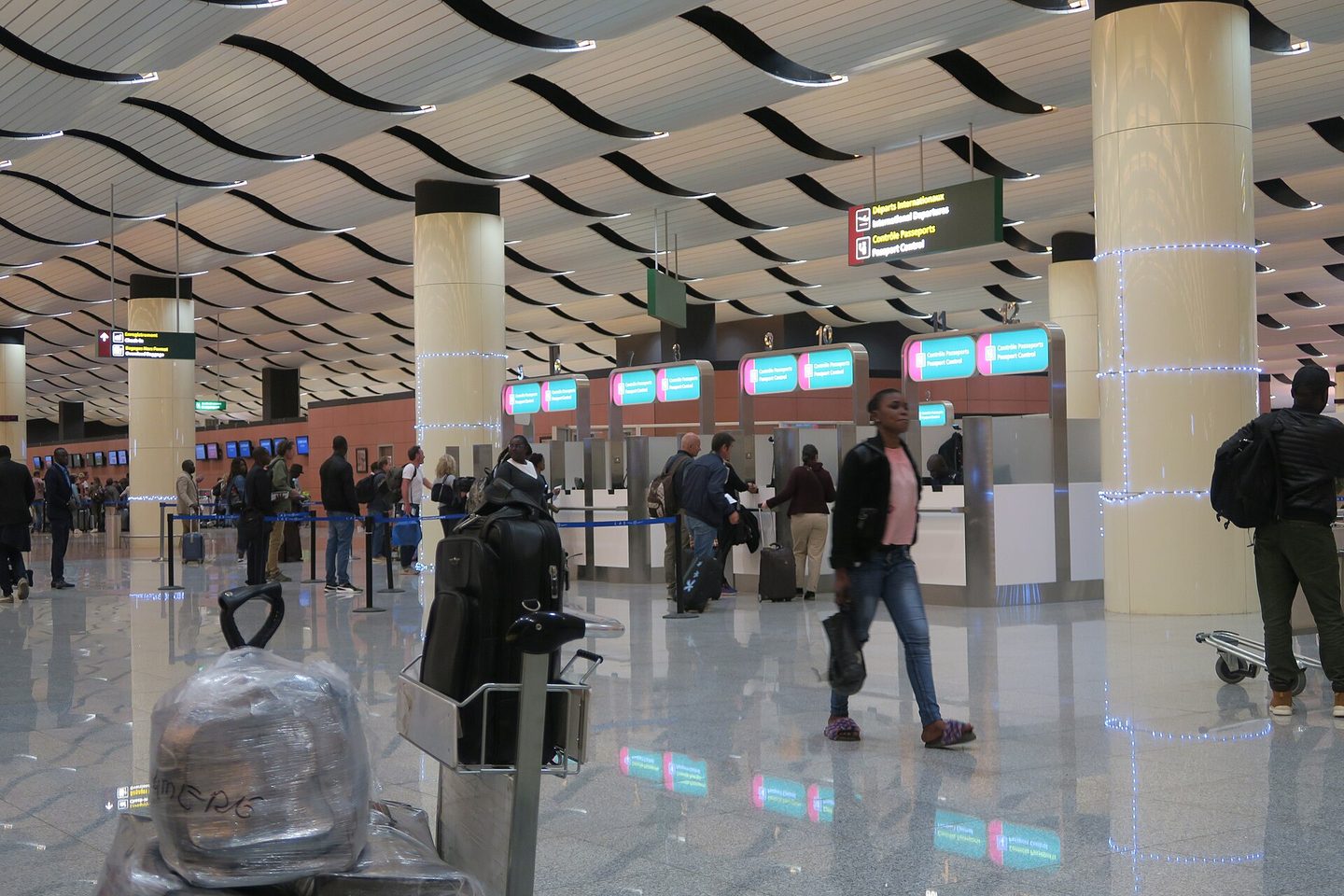
And then there is Dakar. This is why the Air Sénégal story should not be viewed purely as an airline problem.
Senegal has invested heavily in its aviation infrastructure and wants Dakar to play a bigger role in connecting West Africa with the rest of the world. That ambition requires more than a modern airport. It requires an aviation ecosystem that works.
Airlines need airports. Airports need airlines. Ground handlers need both. Tour operators need reliable schedules. Businesses need dependable connections. And passengers need confidence.
If one part of that ecosystem becomes financially unstable, the consequences can spread much further than the company’s headquarters. That is why the current dispute deserves attention.
Senegal cannot keep choosing symbolism over sustainability This is perhaps the most uncomfortable part of the conversation. National airlines carry enormous emotional and political weight. Nobody wants to be the government that presides over the collapse of its country’s flag carrier.
But there is a difference between protecting a strategic national asset and keeping an unsustainable business alive indefinitely. The former can be justified. The latter eventually becomes expensive for everyone.
Senegal therefore needs to decide what success actually looks like for Air Sénégal. Is it the largest possible fleet? The most international destinations? The biggest ambitions? Or is it an airline that can pay its employees, suppliers, airport partners and aircraft lessors while continuing to grow responsibly?
I would choose the latter. Every time.
Air Sénégal still has a chance. Despite the financial pressure, I would not write Air Sénégal off. The airline has a strong national identity, an important geographical position and a government that clearly recognises the strategic importance of aviation. It also has an opportunity to learn from the problems it has already experienced.
The current reset could ultimately produce something more valuable than an airline chasing expansion at all costs: an airline built around financial discipline. That means making difficult decisions. Cutting routes that do not make commercial sense. Choosing the right aircraft for the network. Controlling costs. Paying suppliers. And resisting the temptation to measure success simply by how many places appear on a route map. Because passengers do not fly with an airline because its network looks impressive on paper. They fly because they trust it.
National pride is not enough

Senegal deserves a national airline. But it deserves something even better: a national airline that does not need to be rescued every few years.
Air Sénégal does not have to become Africa’s biggest carrier. It needs to become a credible, sustainable one. The current airport dispute should therefore be treated not merely as another labour or payment dispute, but as a warning.
Senegal has invested too much in its aviation ambitions to allow the national carrier to become the weakest link in that strategy. National pride may put an airline’s flag on the tail of an aircraft. But only sound economics can keep that aircraft in the sky.