


South Africa Is Quietly Rewriting Travel — And Most People Haven’t Noticed Yet
-

- April 16, 2026
Airports have always had a way of humbling you. You can be early, organised, even confident… and somehow still end up digging through your bag looking for a passport while the line behind you gets impatient. That whole experience might be on its way out.
The Department of Home Affairs is moving toward a future where your face becomes your identity. Not metaphorically. Literally. No passport in hand. No boarding pass screenshot. Just you.
It sounds futuristic, but it’s already in motion.
From Paper to Pixels: What’s Actually Changing?
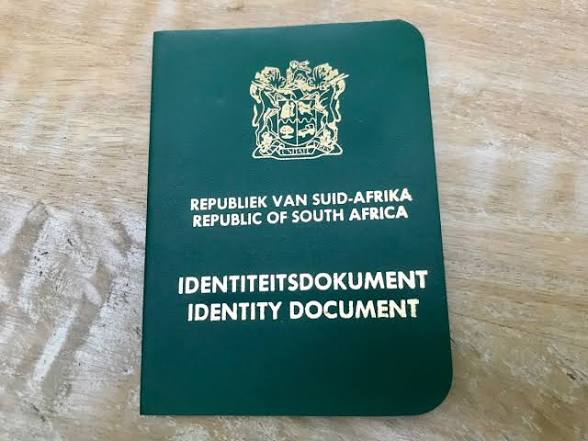
The idea is simple, even if the technology behind it isn’t.
Instead of showing documents at every stage, your identity gets verified digitally through biometric systems. You arrive at the airport, look into a scanner, and move on. That’s it.
Behind the scenes, this involves coordination with the Airports Company South Africa and alignment with global standards from the International Air Transport Association, but for the traveller, the goal is frictionless movement.
No paper. No repetition. No unnecessary stops.
If it works the way it’s intended to, airports could start feeling less like admin centres and more like… actual gateways to travel.
Why Now?
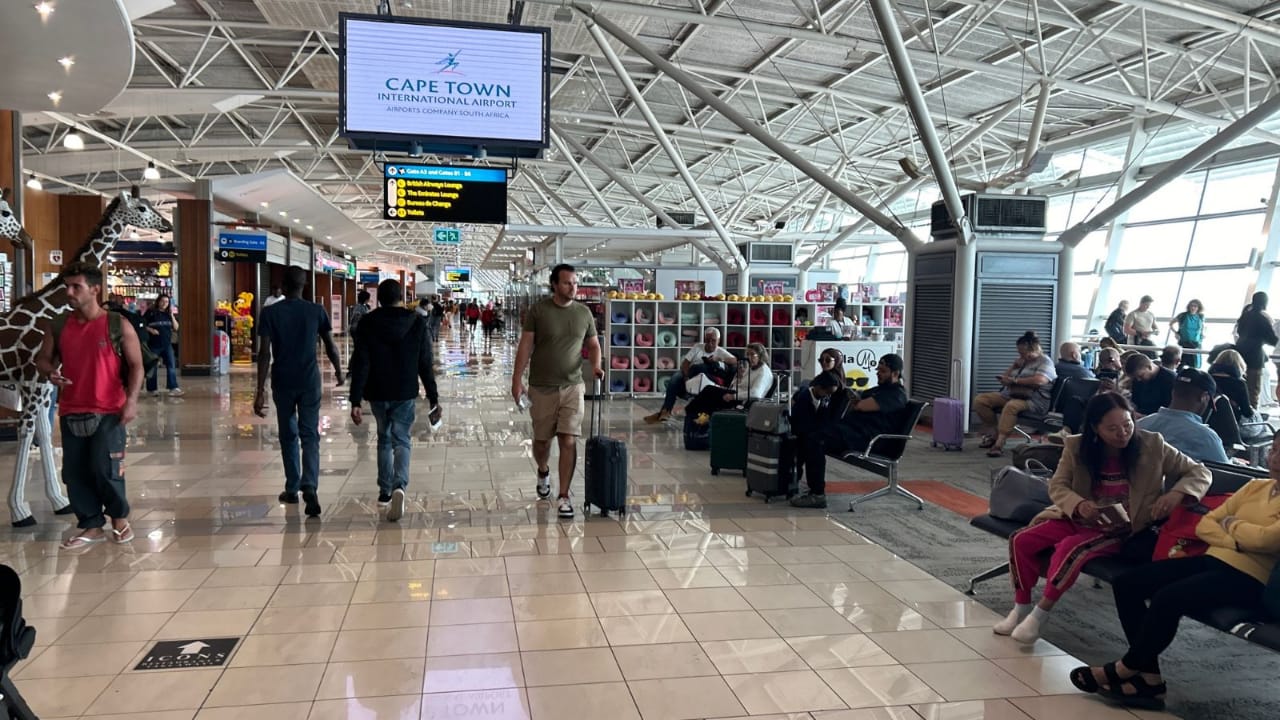
Because the current system is showing its age. More people are flying. Security risks are evolving. And the old way of doing things — documents, stamps, manual checks — just doesn’t scale anymore.
There’s also a cost factor. Processing people faster means airports can handle more volume without expanding endlessly. Airlines move quicker. Queues shrink. Everyone saves time, and somewhere along the line, money too.
So this isn’t just a tech upgrade. It’s a response to pressure. The Double-Edged Sword of Digital Identity. Of course, convenience always comes with a trade-off.
When your identity becomes digital, the question shifts from “Did you bring your passport?” to “Who controls your data?”
Biometric systems are powerful, but they’re also sensitive. If something goes wrong — whether it’s a breach, misuse, or just a system glitch — the consequences aren’t small. And in South Africa, where trust in systems isn’t always a given, that matters.
For this to work, people need to believe their information is safe, their privacy is respected, and the system won’t fail them when it matters most. Without that, even the best technology won’t land properly.
The Hidden Opportunity No One Is Talking About
Most people see this as an airport story. It’s not. It’s an identity story.
Once you have a reliable digital identity system, the implications go far beyond travel. It starts touching everything — how you open a bank account, access services, sign documents, even how businesses verify customers.
In a country where access is often limited by paperwork and process, that shift could be massive. And where there’s a shift like that, there’s opportunity.
Not just for government, but for startups, developers, and anyone paying attention early.
South Africa Isn’t Catching Up — It’s Leapfrogging
There’s a tendency to think we’re always behind when it comes to technology. But that’s not always true. Sometimes, not being locked into legacy systems is an advantage. We’ve seen it with mobile. We’ve seen it with fintech.
This could be another one of those moments. But only if it’s handled properly. Roll it out too fast, and you lose public trust. Get the communication wrong, and people resist it. Miss the infrastructure piece, and it becomes another good idea that doesn’t quite work in practice.
Get it right, though, and it changes things. Not just at airports, but across how identity works in this country.
Final Thought
For now, you’ll still need your passport. You’ll still queue. You’ll still double-check your documents before leaving for the airport. But not forever.
Because quietly, without much noise, South Africa is building a future where your identity isn’t something you carry. It’s something the system already knows.