CultureJoint Hosts Inaugural Climate x Culture Summit in Accra
-

- October 29, 2026
CultureJoint Media has held the first edition of the Climate x Culture Summit 2026 at the Accra A.I Community Centre, located at the Google office. The event gathered people from the climate, creative, business, media and technology sectors to discuss how culture and creativity can support climate action and sustainable development.
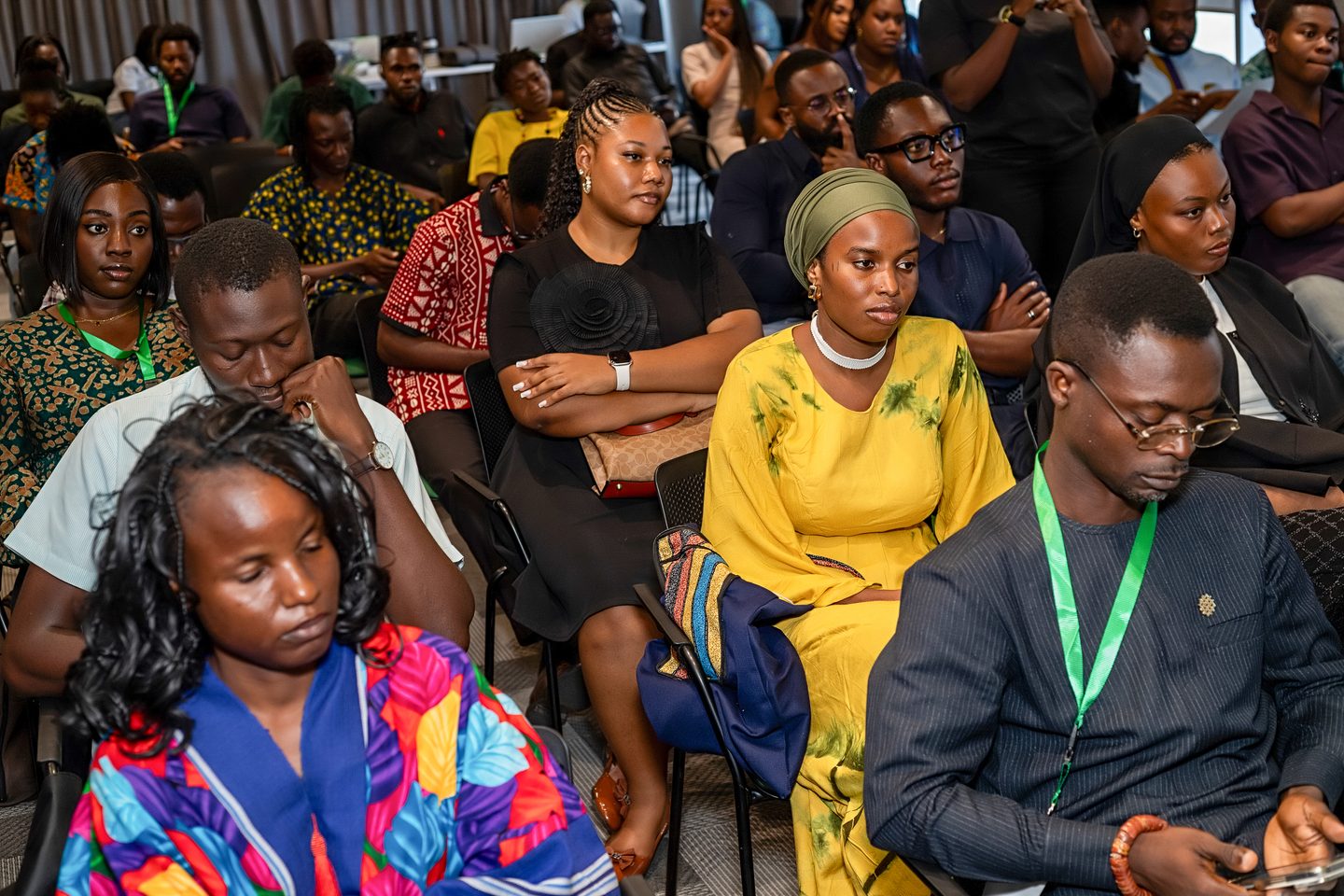
The summit ran under the theme “Designing Sustainable Creative Experiences for Africa” and was in partnership with the Office of the Minister of State for Climate Change and Sustainability at the Presidency. Organisations represented included the World Resources Institute (WRI) Africa, the Centre for CSR West Africa, the Climate and Development Knowledge Network (CDKN) and the Ghana Youth Environment Movement (GYEM).
The summit commenced with opening remarks by Kenneth Awotwe Darko, Lead for the Climate x Culture Summit, followed by a keynote address from Ruth Dzokoto, Head of Administration at the Office of the Minister of State for Climate Change and Sustainability. Solidarity messages were delivered by Culture Entrepreneur Ruddy Kwakye and Priscilla Adomaah Nsonwaah representing the Centre for CSR West Africa.
Delivering a key takeaway during his message, Ruddy Kwakye cautioned the creative ecosytem against inflating attendance figures, stressing that accurate data is fundamental to policy execution.
“Stop inflating event numbers to build effective policies,” Kwakye urged. He noted that while exaggerated figures stroke egos, reliable and quality data is essential to design and implement policies, particularly regarding event waste management and climate response strategies.
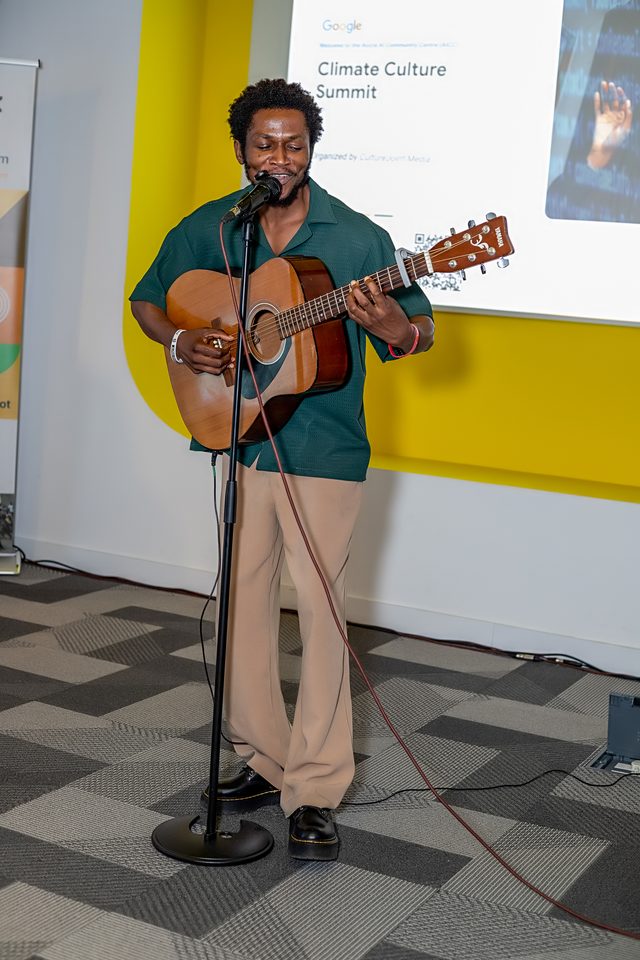
Following a musical performance by Eli Six30 (The Village Boy), the event transitioned into its main thematic panel discussions.
Moderated by Derick Ashilevi, the first panel featured Dr. Enoch Bessah (DIPPER Lab, KNUST), Valerie Kpiorm Nutakor (Climate and Development Knowledge Network – CDKN), musician and climate activist Okyeame Kwame, and Mrs. Betty Osei Bonsu Adjei (Director of Operations and Programs, Green Africa Youth Organization – GAYO).
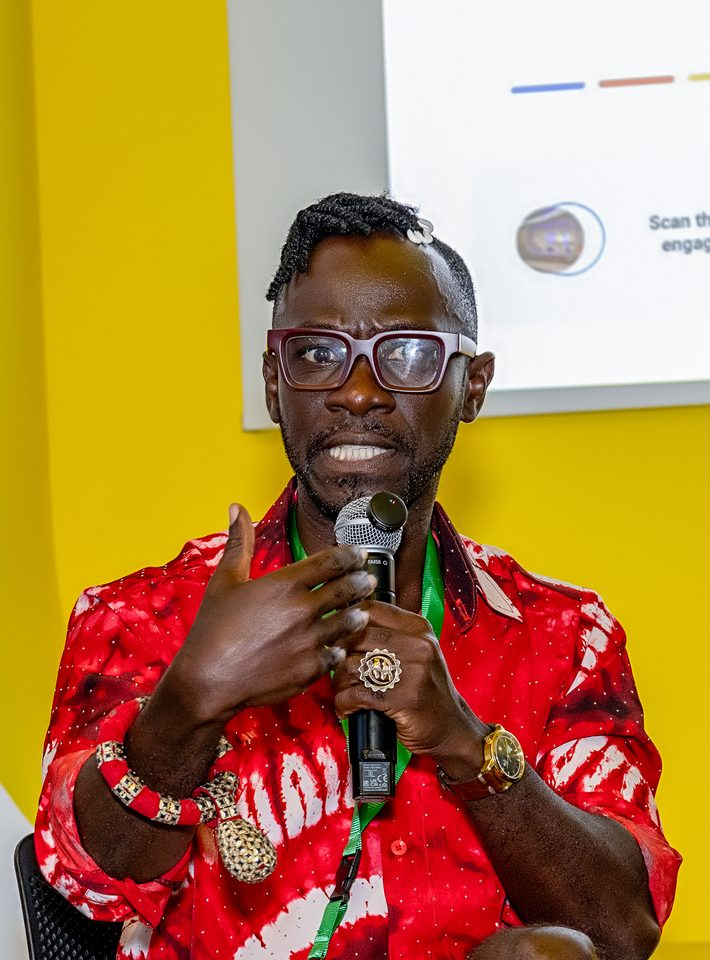
The panel stressed that climate change impacts are immediate, calling for the integration of native practices with modern climate data to advance environmental communication. Addressing the positioning of the creative industry in environmental advocacy, Mrs. Betty Osei Bonsu Adjei underscored that creatives should be engaged from inception rather than brought in as an afterthought.
“Creatives are not last-minute amplifiers,” she said, making the case that artists and cultural producers should help shape climate programmes and not simply be called on to promote messages already decided elsewhere.
Following a brief health break, Eric Lartey, Landscape Restoration Manager for the Ghana Cocoa Belt at WRI, then delivered a goodwill message. He said art can give ecological restoration a local voice, a view that fits the afternoon’s focus on how cultural expression can carry environmental work into communities. “If we want restoration effort to endure, it must be locally led and culturally grounded,” he stressed. The West African Drum & Dance in Africa Band, performing under WRI’s Restoration Artists Network (RAN), provided the next musical performance.
Moderated by Randy Walker, the second panel examined practical solutions for environmental management in the creative sector. Speakers included Nii Noi Omaboe (Engagement Manager, Ghana National Plastic Action Partnership), Benjamin Nsiah (Energy Researcher and Economic Policy Analyst), Joseph Zotoo (Senior Business Development and Research Lead, The Or Foundation) and Peter Ansah (Strategist, Republic of Amusement)
The session explored actionable framework strategies to green events including governmental support through tax exemptions, reducing plastic waste, and lower carbon footprints across creative productions in Ghana.


Moderated by Daryl Kwawu, Panel 3 addressed the financial mechanisms needed to sustain climate innovation within Africa’s creative economy. The session featured Eva Ackuaku (Head of Sustainable Financing and Impact at Consolidated Bank Ghana – CBG), Isaac Kofi Agyei (Data Analyst and Head of Research, The Multimedia Group), Robert Klah (Head of Public Events and Communications, Charterhouse Productions), and Nuna Adisenu-Doe (Founding Director, Compound House Gallery).
The discussion kept returning to data. Ackuaku said information on the creative sector is scattered and held in silos, which makes it hard for financial institutions to assess. Her point was that the dynamic could flip once reliable data exists. “Banks will go for creatives rather than creatives chasing banks for funding when data is available, quality data for that matter.” It echoed Ruddy Kwakye’s call earlier in the day for accurate figures, this time from the financing side.
Following a musical performance by Eli Six30, the final panel session, “From Content to Change,” was moderated by Kwame Dadzie. Panelists Chief Moomen (Playwright, Poet, and Creative Entrepreneur), Ekow Quandzie (Head of PR and Sustainability Lead, Global Media Alliance), and Samuel Boateng (Tech Creator, Interesting Digital Trends) discussed leveraging storytelling, emerging technology, and AI to foster behavioral change toward climate action.
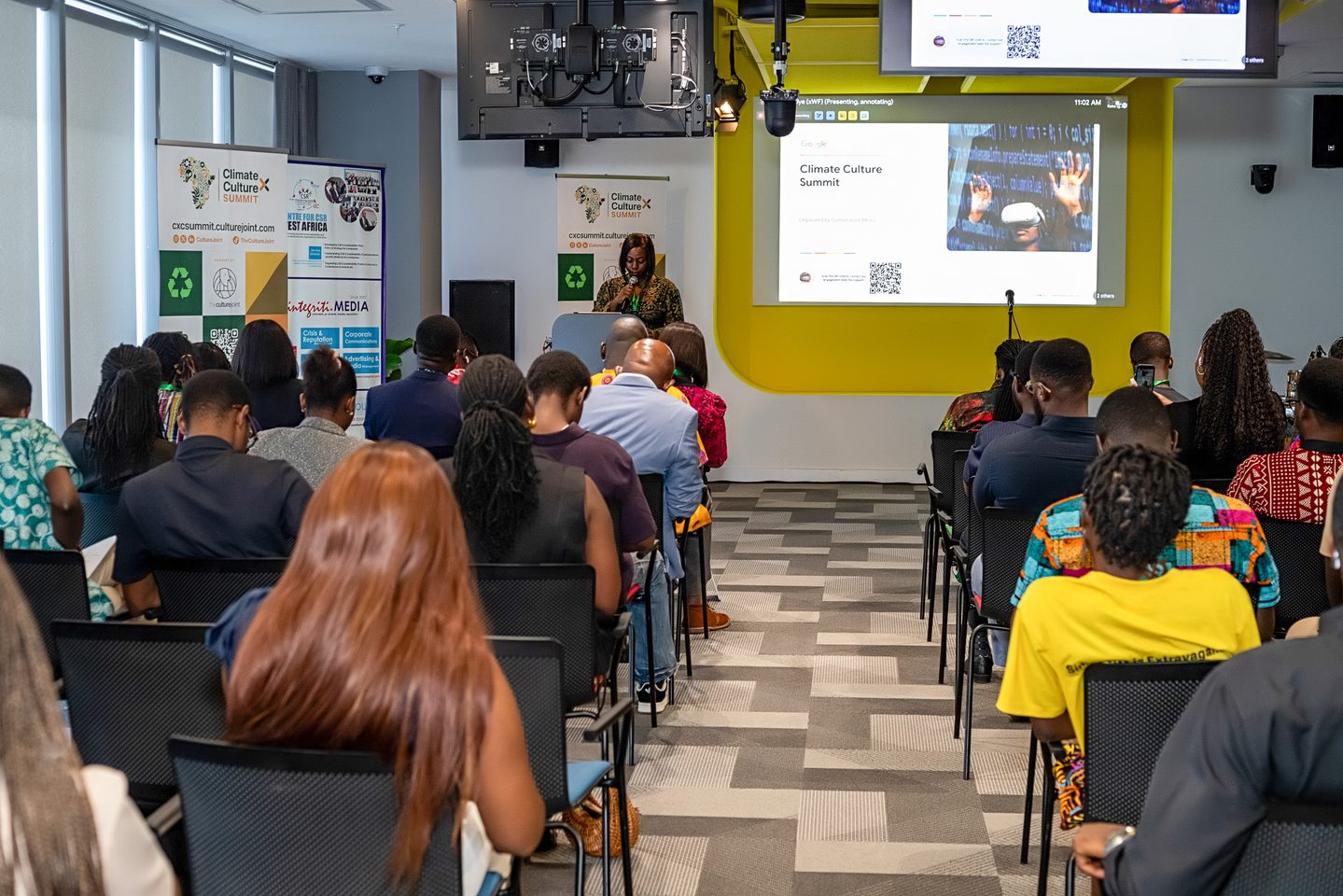
The summit concluded with interactive sessions, uniting partner organizations, including WRI Africa, Centre for CSR West Africa, CDKN, Ghana Youth Environment Movement (GYEM), and GAYO, to formulate actionable strategies for sustainable creative development across Africa.