
Ghana Didn’t Just Win the Right to Host Africa’s Biggest Tourism Gathering. It Earned It.
-

- July 9, 2026
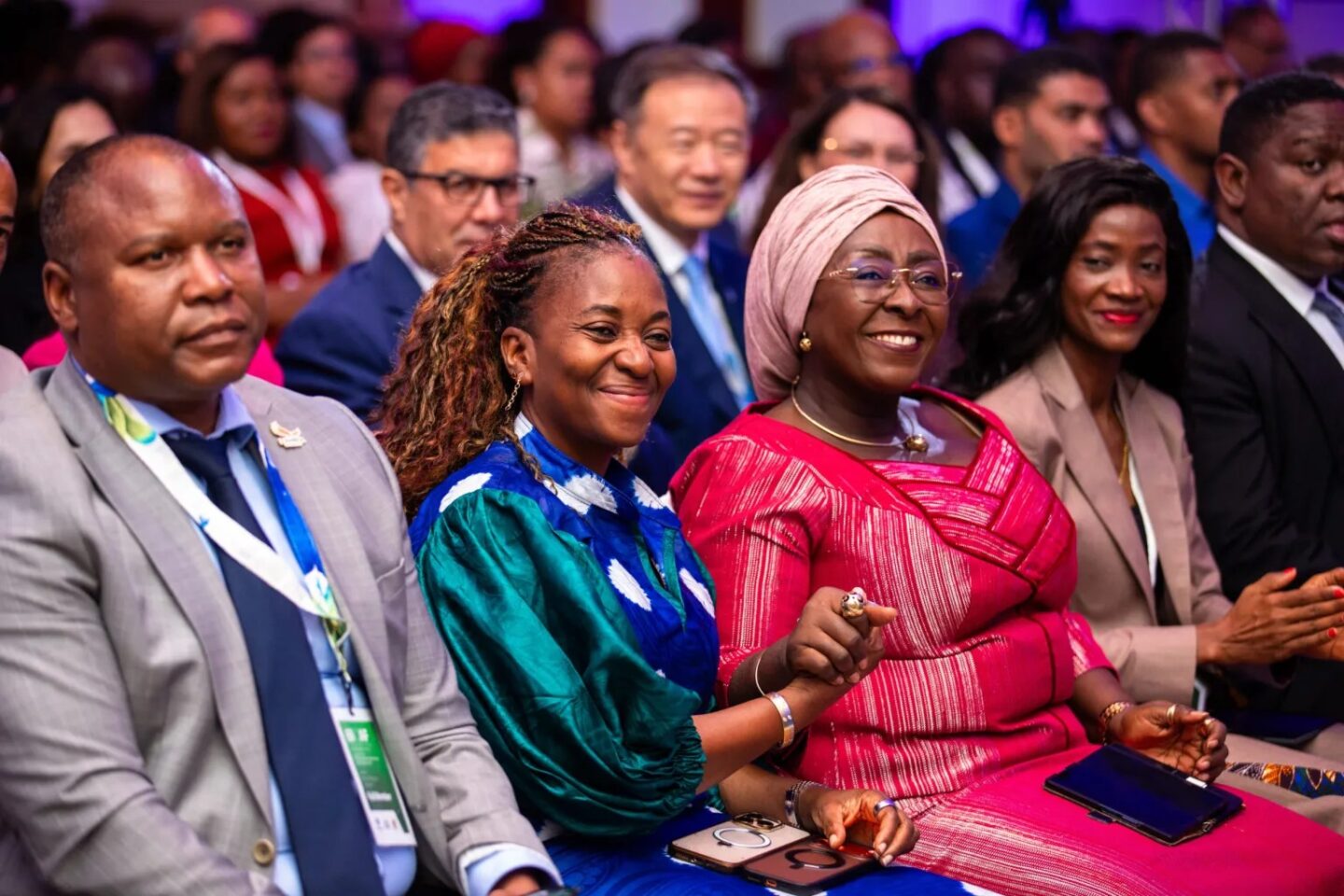
When Ghana hosts the 70th UN Tourism Commission for Africa in 2027, the headlines will celebrate the country’s successful bid. But the real story is far bigger than winning the right to host another high-profile international meeting.
This is about recognition.
Recognition that Ghana has spent the better part of the last decade deliberately transforming itself into one of Africa’s most influential tourism destinations. Recognition that tourism is no longer an afterthought in the country’s economic strategy. And perhaps most importantly, recognition that West Africa is becoming impossible to ignore in conversations about the future of African tourism.
The timing couldn’t be more fitting.
As Ghana marks 70 years of independence in 2027, it will also welcome tourism ministers, policymakers and industry leaders from across the continent. The symbolism is powerful, but symbolism alone won’t fill hotel rooms, attract investment or reshape perceptions. Ghana’s real achievement lies in the groundwork it has already done.
Long before the world was talking about “roots tourism,” Ghana understood the emotional power of reconnecting the African diaspora with the continent. The Year of Return in 2019 was more than a tourism campaign—it became a global movement. It positioned Ghana not simply as a destination but as a homecoming.
Few African tourism campaigns have generated the same international conversation, attracted comparable media attention or delivered such a lasting impact on destination branding.
Since then, Ghana hasn’t stood still.
From expanding cultural festivals and heritage tourism to strengthening conference tourism and attracting international events, the country has steadily built a tourism ecosystem that balances history, creativity, business and culture. The result is a destination that appeals to both leisure travellers and investors looking beyond traditional African tourism markets.
Hosting the UN Tourism Commission is therefore less of a reward and more of a confirmation that Ghana has become one of the continent’s tourism leaders.
But this isn’t just Ghana’s moment.
For decades, West Africa has watched tourism narratives revolve around safaris in East Africa or luxury escapes in Southern Africa. Those experiences deserve their place, but they have never represented the full story of African tourism.
West Africa offers something different. It offers living culture. It offers music that shapes global trends, fashion that influences international runways, food that tells stories across generations and historical sites that connect millions in the African diaspora to their ancestry. It offers festivals that cannot be replicated and cities whose creative energy rivals some of the world’s most exciting cultural capitals.
What the region has often lacked is visibility. That is beginning to change.
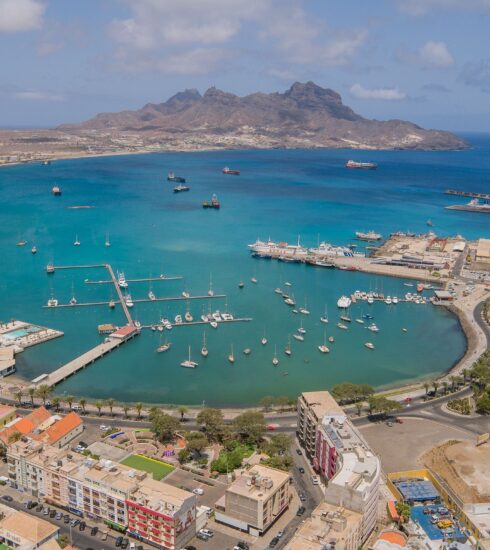
Countries such as Senegal, Benin, Côte d’Ivoire, The Gambia and Cape Verde are investing more intentionally in tourism. Regional airlines are improving connectivity, governments are paying greater attention to tourism policy and domestic African travel is steadily increasing.
Ghana hosting Africa’s premier tourism policy gathering presents an opportunity to showcase not only itself but the broader West African tourism story. That opportunity should not be wasted.
The conversations in Accra must move beyond ceremonial speeches and declarations. They should address the issues that continue to limit tourism growth across the region: fragmented air connectivity, inconsistent visa policies, infrastructure gaps, skills development, sustainability and stronger collaboration between neighbouring destinations.
West Africa does not need to compete internally. It needs to market itself collectively. A traveller visiting Ghana should be inspired to continue to Benin, Togo, Côte d’Ivoire or Senegal with ease. That is how regional tourism economies grow.
Hosting the Commission will also place Ghana under an international spotlight. Delegates will judge the country not only by the quality of its hospitality but by its transport systems, visitor experience, service standards and ability to deliver an event that reflects Africa’s growing tourism ambitions.
The expectations will be high—and rightly so. Yet if Ghana’s tourism journey over the past decade has demonstrated anything, it is that the country understands the value of thinking beyond the event itself. Because in tourism, the greatest success is never measured by the conference you host. It is measured by the visitors who return, the investors who stay and the stories that continue to inspire long after the closing ceremony.
In 2027, Ghana won’t simply host Africa’s tourism leaders. It will help shape the next chapter of African tourism. And if West Africa seizes this moment together, the entire region stands to benefit.