The Crown of Resilience: 5 Truths About the African Hair Journey
-

- March 24, 2026
For decades, African hair has been a canvas for political statements, a victim of systemic bias, and a masterpiece of structural engineering. To look at a coil, a kink, or a loc isn’t just to see keratin; it is to witness a profound narrative of identity and biological brilliance.
However, despite the “Natural Hair Movement” taking the world by storm over the last decade, there is still a thick layer of mystery—and misinformation—surrounding its nature. Whether you are navigating your own texture or seeking to be a better ally in the conversation of inclusivity, understanding these five pillars is essential.
1. It is the Most Fragile Texture on Earth
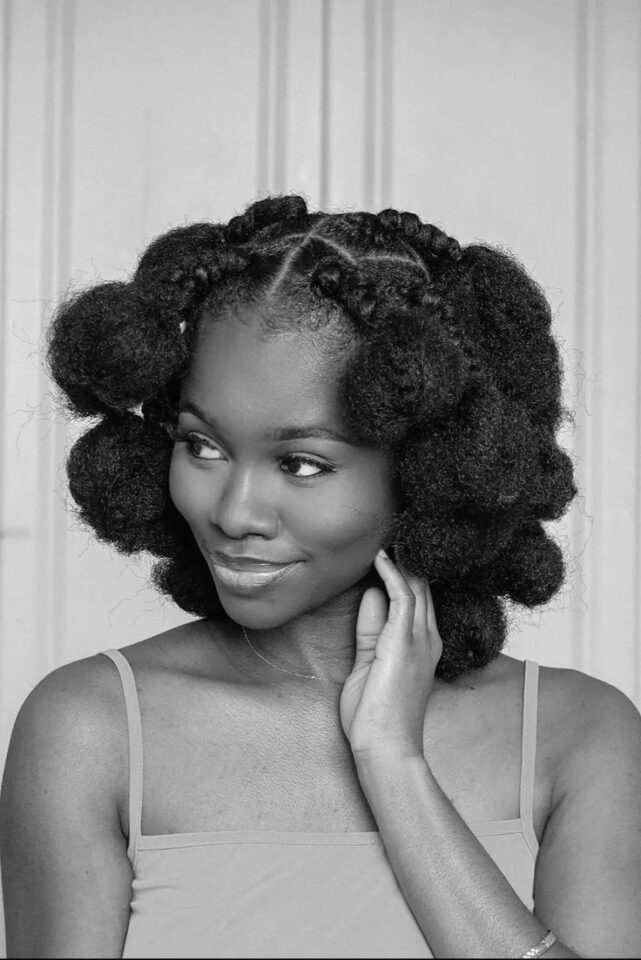
There is a common misconception that because African hair looks “tough” or “thick,” it is indestructible. In reality, the tighter the curl pattern, the more vulnerable the strand. Every bend in a coil represents a structural weak point where the hair is prone to snapping. While other hair types might withstand rigorous brushing, African hair demands a “gentle-first” approach.
2. The Science of “Shrinkage” is Magic
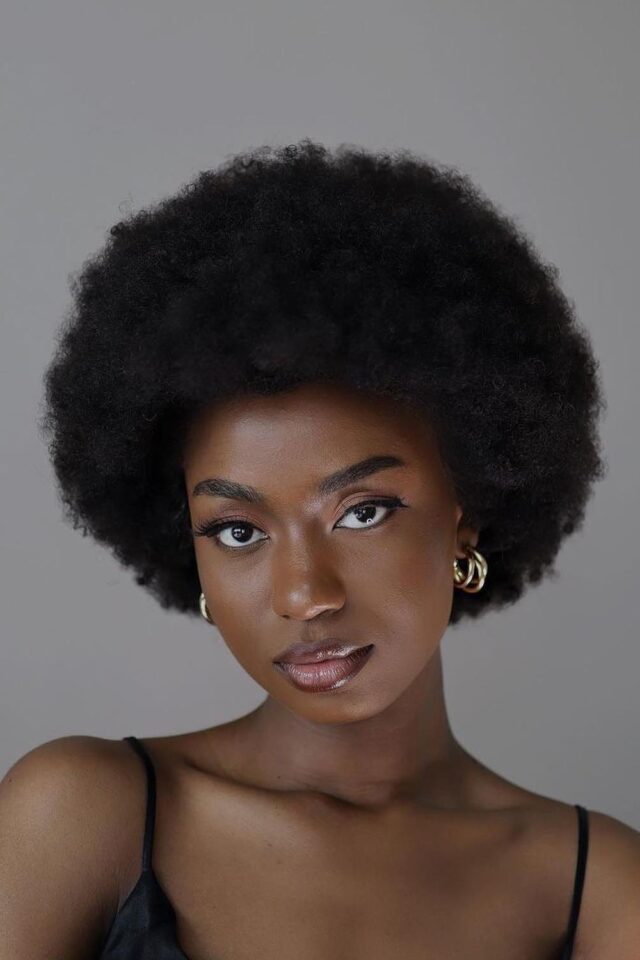
If you see someone with a short afro one day and shoulder-length braids the next, it’s not just extensions—it’s the magic of shrinkage. Healthy African hair can shrink up to 70% of its actual length when it comes into contact with moisture. While some see this as a frustration, it is actually a sign of high elasticity and hair health. It’s a literal biological spring.
3. Moisture is the Primary Currency
Because of the tight coils, the scalp’s natural oils (sebum) have a difficult time traveling down the hair shaft compared to straight hair. This makes African hair naturally dry. It doesn’t need “grease” to block the pores; it needs hydration. In the world of texture, water is the ultimate primer, and oils are merely the sealants.
4. Style is Often a Form of Protection
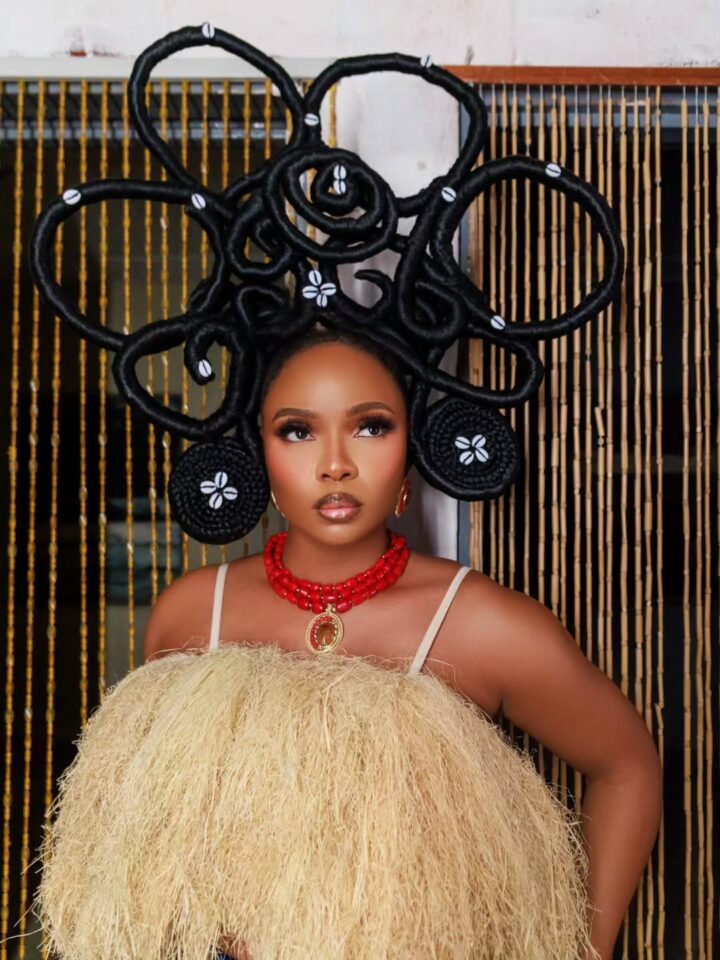
Those intricate braids, twists, and bantu knots aren’t just aesthetic choices; they are “protective styles.” By tucking the ends of the hair away, the wearer protects the strands from environmental stressors like friction and wind. These styles are a sophisticated management system designed to retain length and health in a world that can be quite harsh on delicate fibers.
5. It is Inherently Political (But Shouldn’t Have to Be)
We cannot discuss African hair without acknowledging that, for centuries, it has been a site of policing. From the Tignon laws of the 18th century to modern-day corporate grooming policies, the “natural” state of African hair has often been labeled as unprofessional or rebellious. Embracing the texture as it grows from the scalp is, in itself, an act of reclaiming one’s narrative.
The shift we see today isn’t just a trend; it’s an education. When we understand the science and the soul behind the hair, we stop seeing it as a “problem to be solved” and start seeing it as the crown it has always been.