


Why Spaghetti Deserves a Spot on Your Plate: Surprising Health Benefits
-

- September 10, 2025
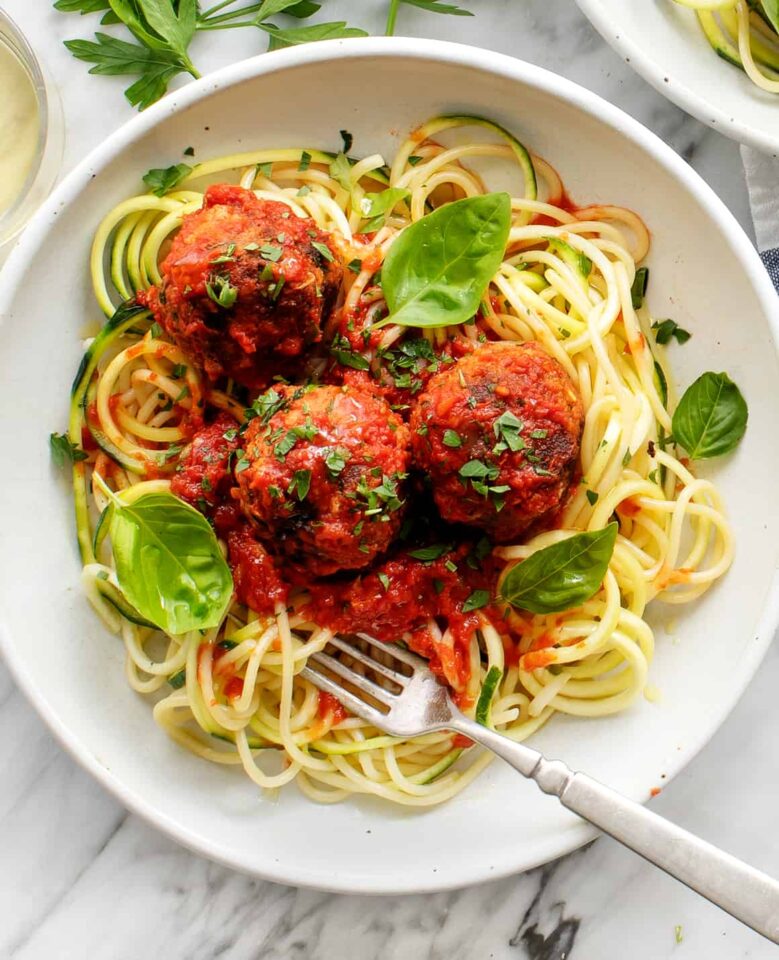
Spaghetti, a staple of Italian cuisine and one of the most beloved dishes worldwide, often gets labelled as a guilty pleasure. However, when prepared and consumed mindfully, spaghetti can actually offer several health benefits.
Eating spaghetti can be healthy when enjoyed in moderation and paired with nutritious ingredients like vegetables, lean proteins, or wholesome sauces. It’s a great source of complex carbohydrates, which gives your body steady energy. Whole wheat or legume-based spaghetti adds fibre and protein, supporting digestion and fullness. Spaghetti also provides essential vitamins and minerals like B vitamins, iron, and selenium. On its own, it’s low in fat and sodium, but its health value depends on how it’s prepared.
The health benefits depend largely on the type of spaghetti and how it’s prepared. Regular white pasta is fine in moderation, but whole wheat, multigrain, or legume-based spaghetti provides more fibre, protein, and nutrients.
Here are some of the key benefits:
Health Benefits of Eating Spaghetti

1. A Good Source of Energy
Spaghetti, made primarily from durum wheat, is rich in carbohydrates, the body’s primary source of fuel. These complex carbs release energy gradually, keeping you fuller for longer and sustaining your energy levels throughout the day. For athletes and active individuals, a serving of spaghetti can be an excellent pre- or post-workout meal.
2. Rich in Fibre (When Whole Grain)
Choosing whole-grain spaghetti adds an extra layer of nutritional value. Whole-grain pasta is packed with dietary fibre, which aids digestion, prevents constipation, and helps maintain a healthy gut. Fibre also plays a key role in regulating blood sugar levels and lowering cholesterol, making whole-wheat spaghetti a heart-healthy choice.
3. Supports Heart Health
Spaghetti paired with tomato-based sauces offers additional cardiovascular benefits. Tomatoes are rich in lycopene, a powerful antioxidant known to protect against heart disease and certain cancers. When combined with olive oil, commonly used in pasta dishes, the absorption of these antioxidants is enhanced.
4. Promotes Healthy Weight Management
Contrary to popular belief, spaghetti doesn’t automatically lead to weight gain. Portion control and healthy pairings are key. A balanced plate of spaghetti with lean proteins such as grilled chicken, fish, or legumes, alongside plenty of vegetables, provides a filling yet calorie-conscious meal that supports weight management.
5. Provides Essential Nutrients
Spaghetti is a source of important vitamins and minerals. Traditional pasta provides iron (essential for healthy blood cells) and B vitamins such as folate and niacin, which support metabolism and energy production. Fortified pasta varieties may even contain additional nutrients, boosting overall dietary intake.
6. Versatile for a Balanced Diet
Spaghetti’s biggest strength lies in its versatility. It can be adapted for various dietary needs—vegetarian, vegan, gluten-free, or high-protein. By swapping out creamy sauces for tomato or vegetable-based ones, or opting for gluten-free pasta alternatives like chickpea or quinoa spaghetti, you can enjoy a healthier, tailored version of this classic dish.
Yes — while spaghetti has health benefits, there can also be some negative side effects depending on how much and what type you eat:
Possible Negative Side Effects of Eating Spaghetti
Weight Gain Risk
Regular white spaghetti is high in refined carbs, which are calorie-dense and can contribute to weight gain if eaten in large portions without enough physical activity.
Blood Sugar Spikes
Refined pasta has a high glycemic index, meaning it can cause rapid spikes in blood sugar levels. This can be a concern for people with diabetes or insulin resistance.
Low in Fibre (if not whole grain)
White spaghetti lacks fibre, which is important for digestion and keeping you full. Eating too much may leave you hungry sooner.
Gluten Sensitivity Issues
Since spaghetti is usually made from wheat, it contains gluten. People with celiac disease or gluten intolerance may experience bloating, stomach pain, or other digestive issues.
Nutrient Imbalance
Eating spaghetti often with heavy, creamy sauces or too much cheese/meat can make the meal high in fat, sodium, and calories — leading to heart health concerns if consumed frequently.
Digestive Discomfort (if overconsumed)
Large servings can feel heavy and cause bloating, especially if paired with rich or oily toppings.
Spaghetti, when eaten in moderation and prepared with wholesome ingredients, is far from a guilty indulgence—it can be part of a balanced and nutritious diet. By choosing whole-grain options, adding fresh vegetables, lean proteins, and heart-healthy oils, spaghetti becomes not only a comfort food but also a meal that supports overall well-being.